


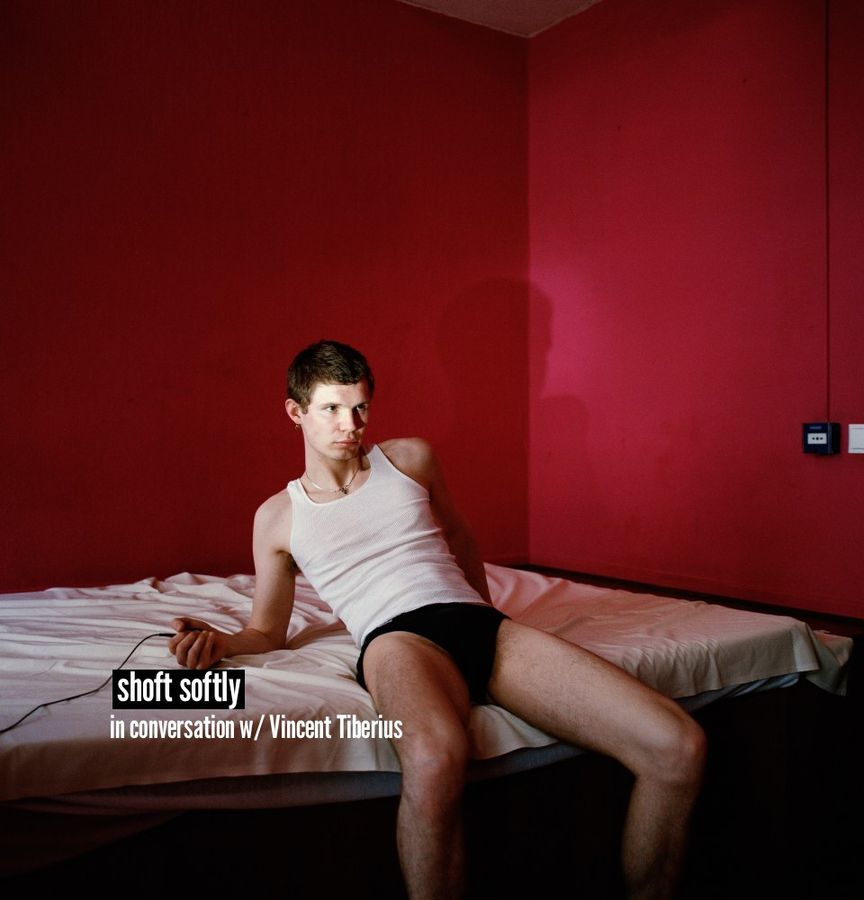
Chapter 2 | Vision & Flesh
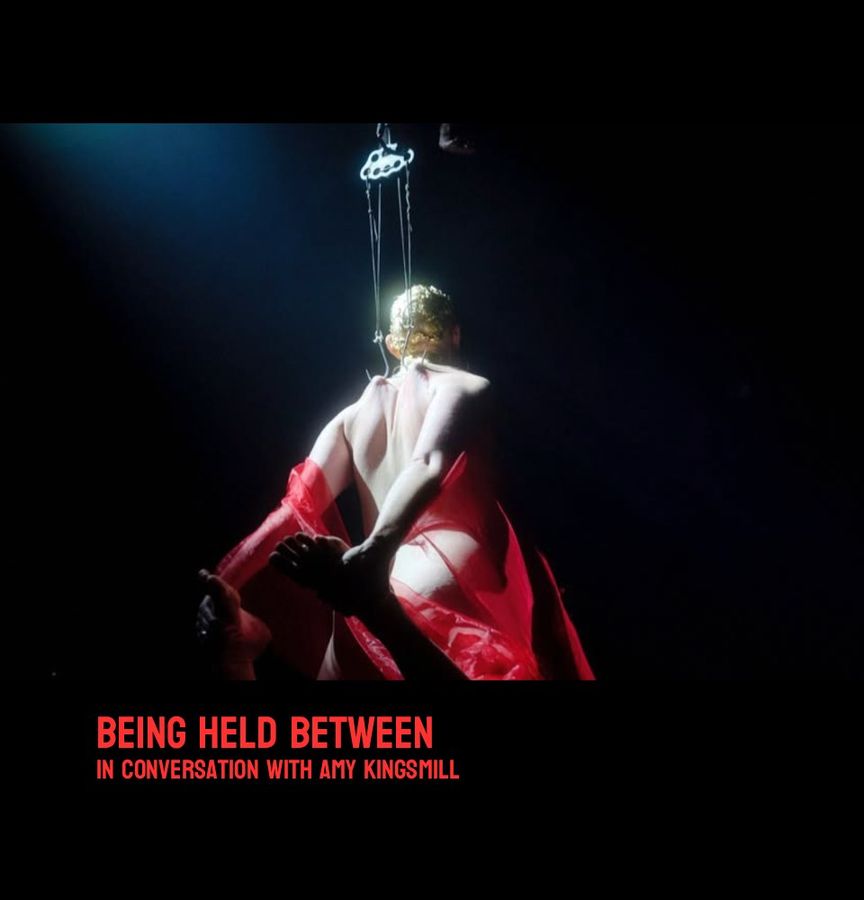
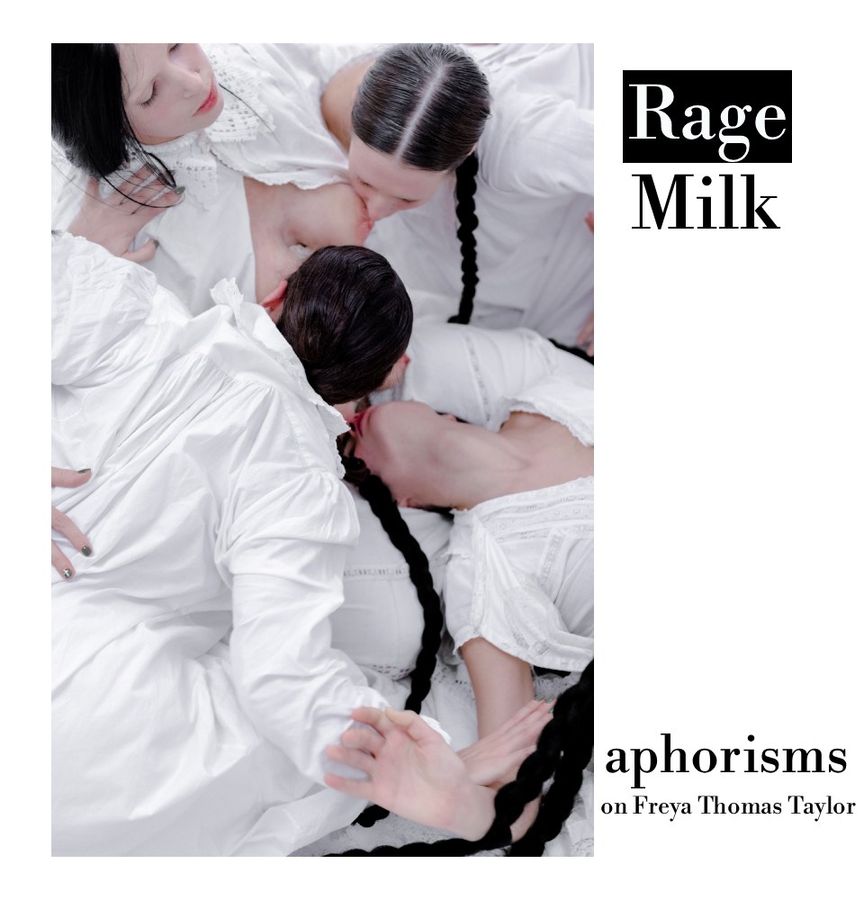
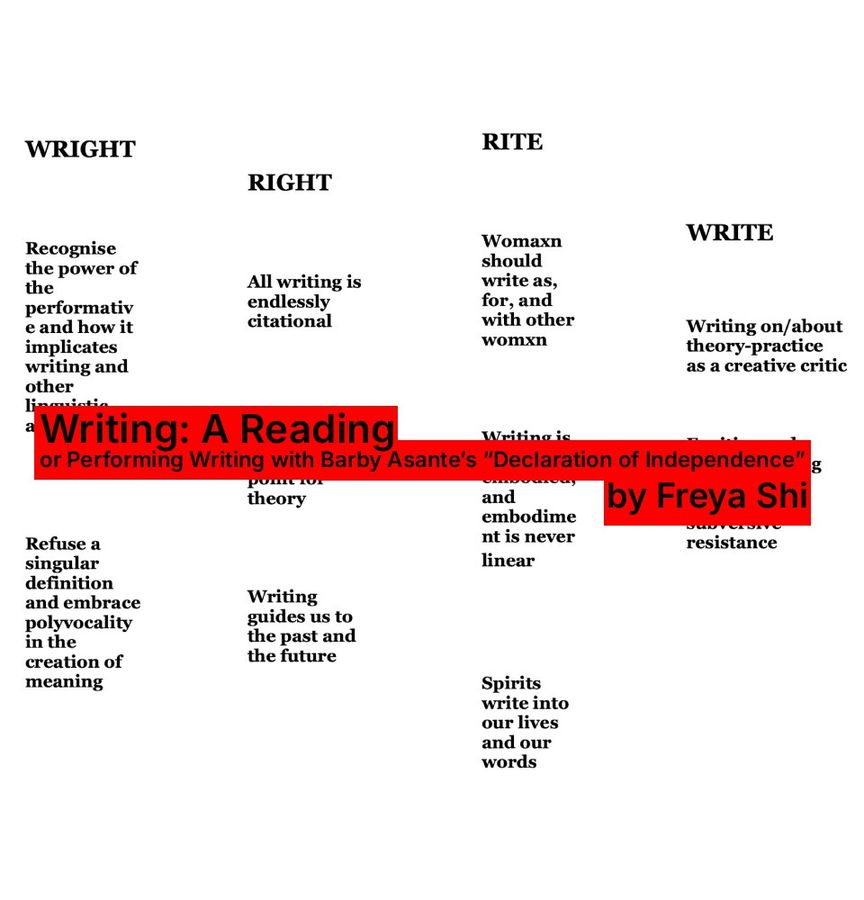
Chapter 2 – Vision and Flesh interrogates patriarchal regimes of vision and reflects on the constitutive entanglement of power and visibility. “Vision” is mobilised here as an intrinsically ambivalent concept: it designates, on the one hand, regimes of visibility through which power relations are not merely reflected but actively produced, stabilised, and naturalised. On the other hand, vision gestures towards the speculative and the visionary, towards epistemic and aesthetic practices capable of contesting, displacing, and exceeding dominant scopic regimes.
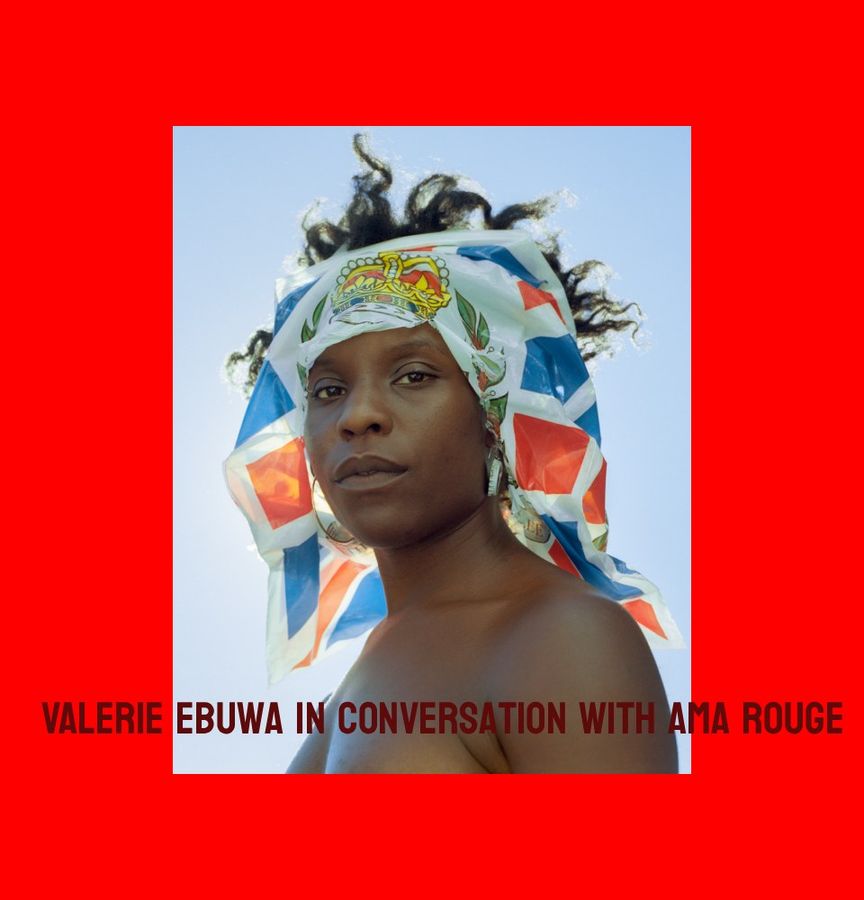
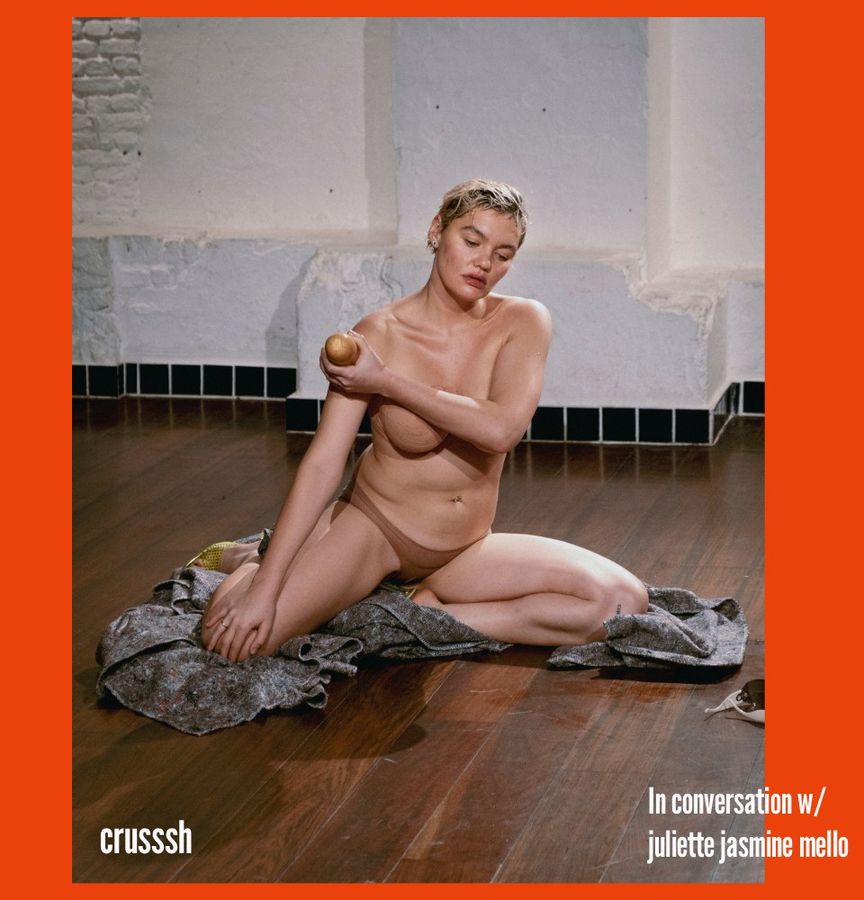
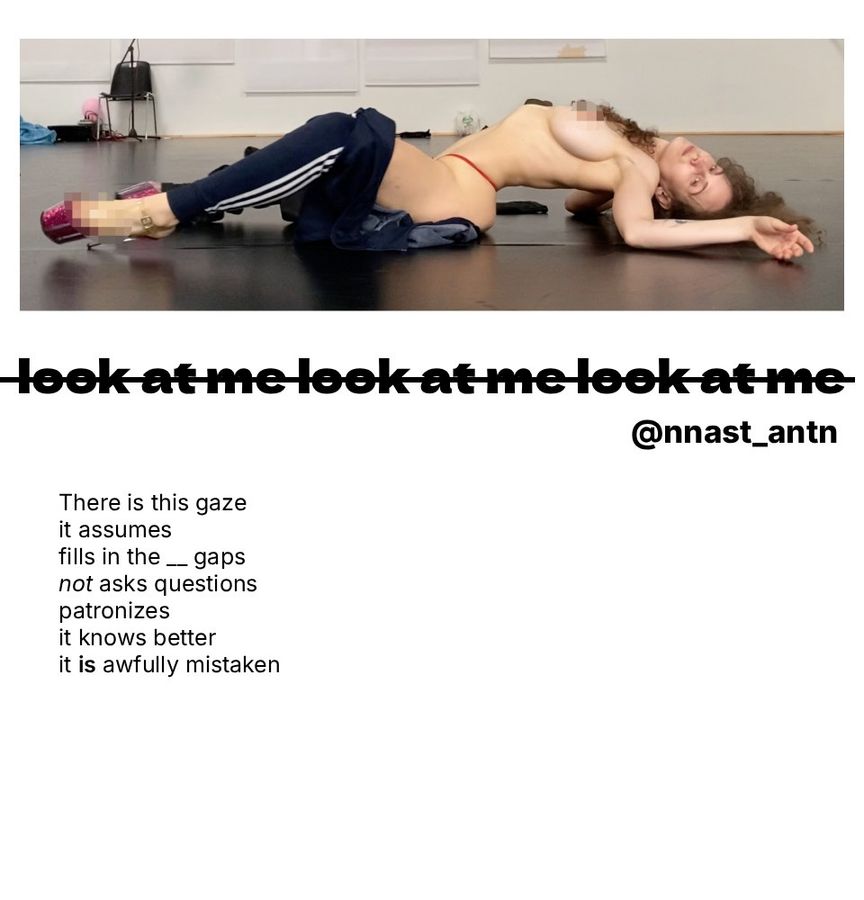
In this context, representation is understood not as a passive reflection of the social world but as a technology of power: a field in which hierarchies are organised, perception is structured, and the conditions under which bodies appear are negotiated and contested. Particular attention is given to the figuration of the female body, the structuring violence of the male gaze, the exposed or naked body, and the queer and racialised body as sites of projection, regulation, and control.
Vision and Flesh draws on the foundational work of Laura Mulvey – particularly her theorisation of the male gaze as a structuring principle of visual culture – alongside the Marxist-feminist analyses of Silvia Federici. Federici foregrounds the disciplining of the body as labouring and reproductive force as a precondition for the emergence and consolidation of capitalist relations of production. Within this framework, the figure of the witch emerges as a paradigmatic site of resistance: her persecution and eradication were not peripheral events but constitutive moments in the violent reorganisation of social reproduction. The regulation of gendered, racialised, and classed bodies thus forms the historical substrate of contemporary regimes of visibility.
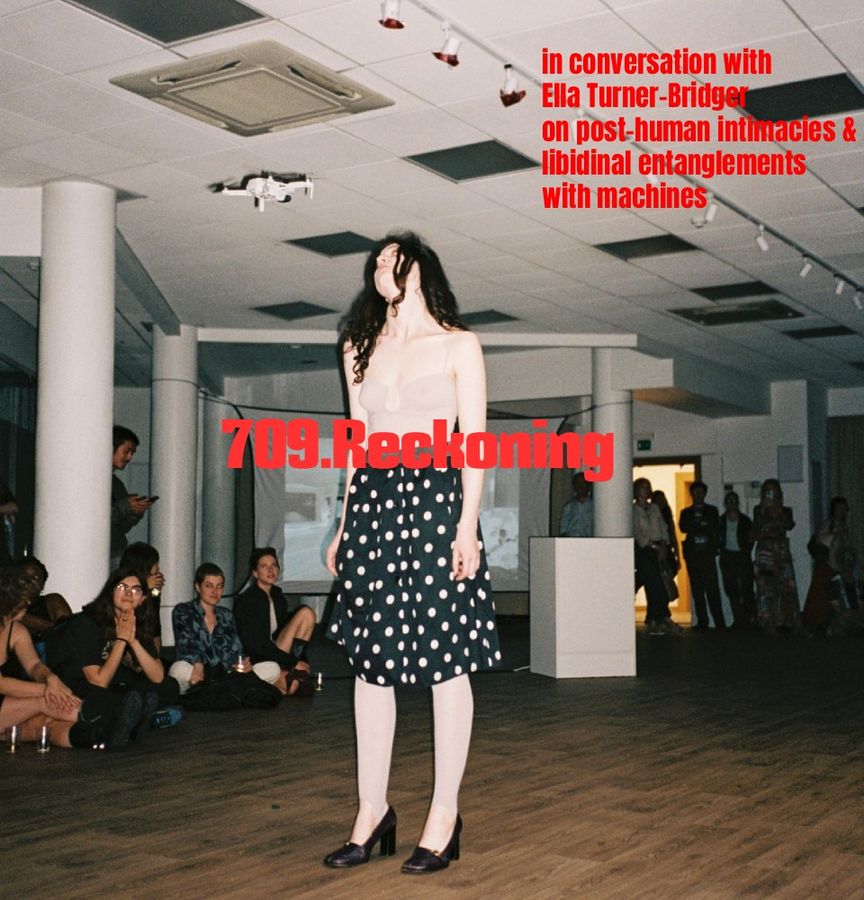
“Flesh” names the body not merely as image or representation, but as lived, sensuous, and material existence. It is the site upon which regimes of vision are inscribed and through which they are contested, where questions of sexuality, pleasure, labour, vulnerability, and exposure become tangible. From this perspective, the degradation of marginalised bodies unfolds through the intertwined operations of sexualisation and objectification, processes that are reiterated, sedimented, and at times disrupted through performance and choreography.
Contribute: Submissions
Moving Discourse is a media platform dedicated to performative thinking and choreographic practice. Through video and text, it both cinematically portrays and theoretically engages with performance, movement, and the body. Every month, Moving Discourse releases a curated chapter on a specific topic, combining interviews, performance documentations, and experimental texts.
As its name suggests, Moving Discourse can be understood as a call to action. It invites us to move the discourse, to transdisciplinarily question fixed assumptions and unsettle hardened arguments. It is both a space to display movement-based artistic practices and a field to engage with the theoretical currents that surround them.
Moving Discourse seeks to hold and to release – to establish an archive of ideas and of the bodies that carry them, while refusing all attempts at solidification. It embraces the fluidity of forms, the impermanence of gestures, and dynamic thinking, in order to keep discourse itself in motion.
Get in touch: contact@movingdiscourse.com